

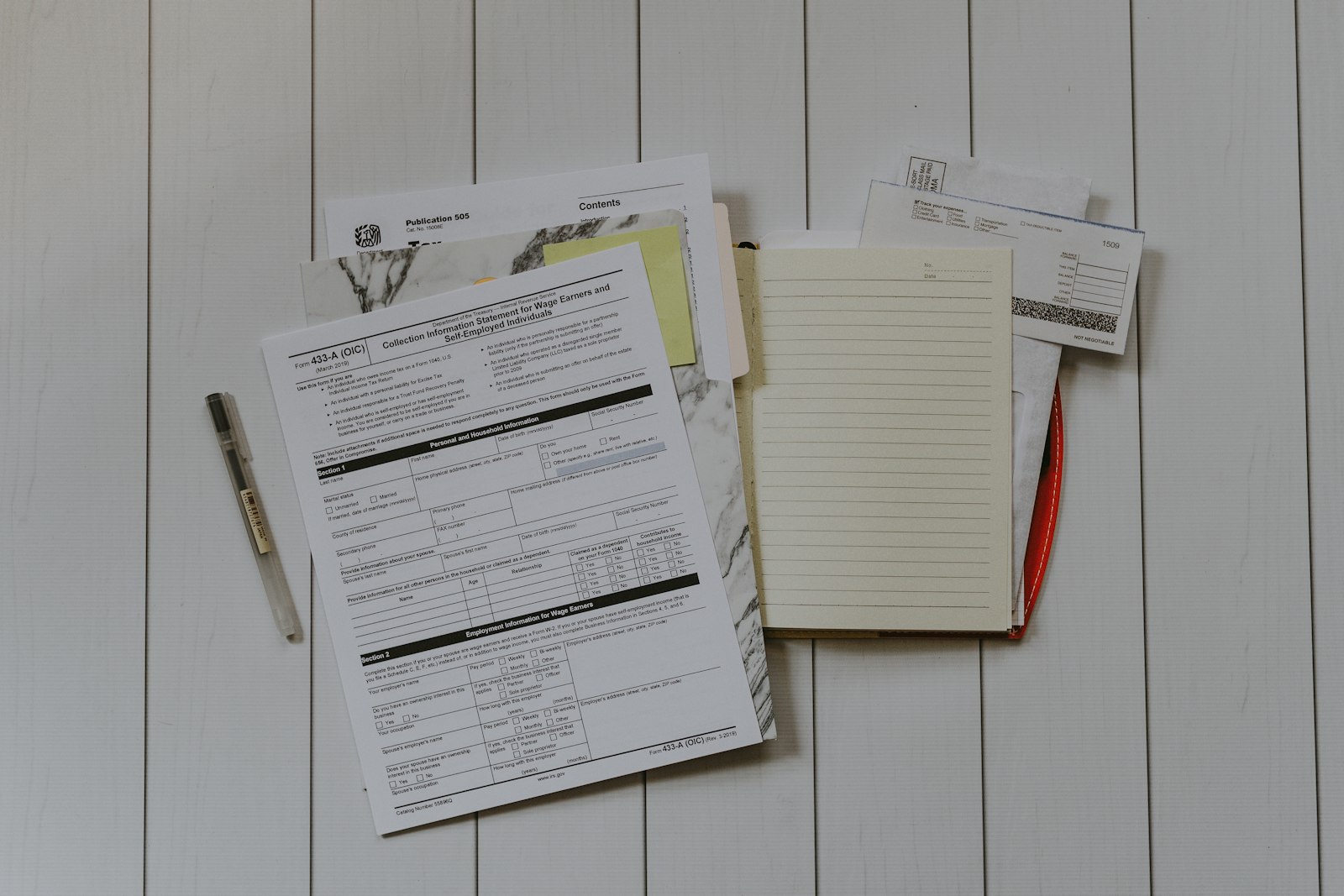
You are opening a bank account, signing up with a payment provider, or renewing a registration, and the form asks for one more thing: proof of address. It sounds trivial, yet it is one of the most common reasons an application stalls. The document you upload is too old, shows the wrong name, or simply is not on the accepted list.
This guide covers what proof of address actually is, which documents pass review, which ones get bounced, and the fastest ways to produce a valid one, whether you are an individual or a business getting verified.
What proof of address is
Proof of address is any official document that shows your name together with the address where you currently live or operate. It answers a simple question for the institution reviewing it: is this person or company really located where they say they are?
Note that it is a different requirement from proof of identity. Your passport proves who you are, but in most cases it says nothing about where you live, which is why institutions usually ask for both documents separately.
Why everyone asks for it
Banks, payment providers, lenders, government offices and even utility companies request proof of address as part of their verification process. There are two main reasons:
- Regulation. Financial institutions are required by law to verify who their customers are and where they are based. Confirming a real, current address is a core part of "know your customer" rules designed to prevent fraud and money laundering.
- Security. An address on file that has been independently verified makes it much harder for someone to impersonate you, open accounts in your name, or intercept sensitive mail.
The requirement can feel like friction, but it protects both sides. When a provider verifies you properly, it is also keeping bad actors away from the platform you are about to use.
Documents that count
Every institution publishes its own list, but these documents are accepted almost everywhere:
- Utility bills: electricity, water, gas or internet, issued to your name at your address.
- Bank or credit card statements showing your name and address.
- Lease or mortgage documents: a signed rental agreement or mortgage statement.
- Insurance documents: home, auto or health policies that display your address.
- Pay stubs from your employer that include your address.
- Vehicle registration or driver-related documents issued to your address.
- Government correspondence: tax letters, voter registration confirmations, or official notices mailed to you.
- A letter from an employer or school confirming your address, on letterhead.
Key takeaways
- Proof of address shows your name plus your current address on an official document.
- Utility bills and bank statements are the safest choices almost everywhere.
- Check the institution's own accepted list and date limit before uploading anything.
Documents that get rejected
Most rejections come down to a handful of predictable mistakes:
- Identity documents alone. A passport or ID card proves who you are, not where you live, so on its own it usually does not qualify.
- Outdated documents. A bill from a year ago no longer proves where you live today.
- A mismatched address. If the document shows a previous address, or the account is in someone else's name, it will not pass.
- Photocopies or screenshots, when the institution requires an original or an official PDF.
- Documents not on the list. Even a legitimate document gets rejected if that particular institution does not accept it.
The fastest application is the one where you read the accepted-documents list first and upload exactly what it asks for, dated within the window it requires.
How recent it must be
There is no universal rule, and this is where most people trip up. Some institutions accept documents issued within the last twelve months. Many are stricter and require something from the last three months, especially for utility bills and bank statements. Longer-lived documents, like a current lease, are often valid for their full term.
The safe play: assume three months unless the institution says otherwise, and always check its published requirement before you upload.
How to get one fast
Need a valid document today? Work down this list:
- Check the mail you already have. A recent utility bill, bank letter or insurance notice may already qualify.
- Download a statement from your online banking. Most banks let you export an official PDF statement in seconds. Many institutions accept these digital statements, but confirm first.
- Ask your utility provider for a recent bill. Most can email a copy or make one available in your online account instantly.
- Request a letter. Employers, schools and landlords can usually issue an address confirmation letter within a day.
Just moved? You may not have any document with the new address yet. The quickest fixes are to update your address with your bank and download a fresh statement, put a utility account at the new home in your name, or use your signed lease, which most institutions accept from day one.
Proof of address for a business
If you run a company, verification usually covers two layers: the business and its owners. Expect to provide proof of the company's operating address, commonly a utility bill in the company's name, a bank statement for the business account, a lease for your office, or a tax document showing the registered address, plus personal proof of address for owners or legal representatives.
Getting this file right the first time is the difference between being verified in a day and spending two weeks in email back-and-forth. Before you apply for any financial service, gather three things: a recent bank statement, a recent utility bill, and your lease or registration documents. With that folder ready, almost any verification, anywhere, goes smoothly.