

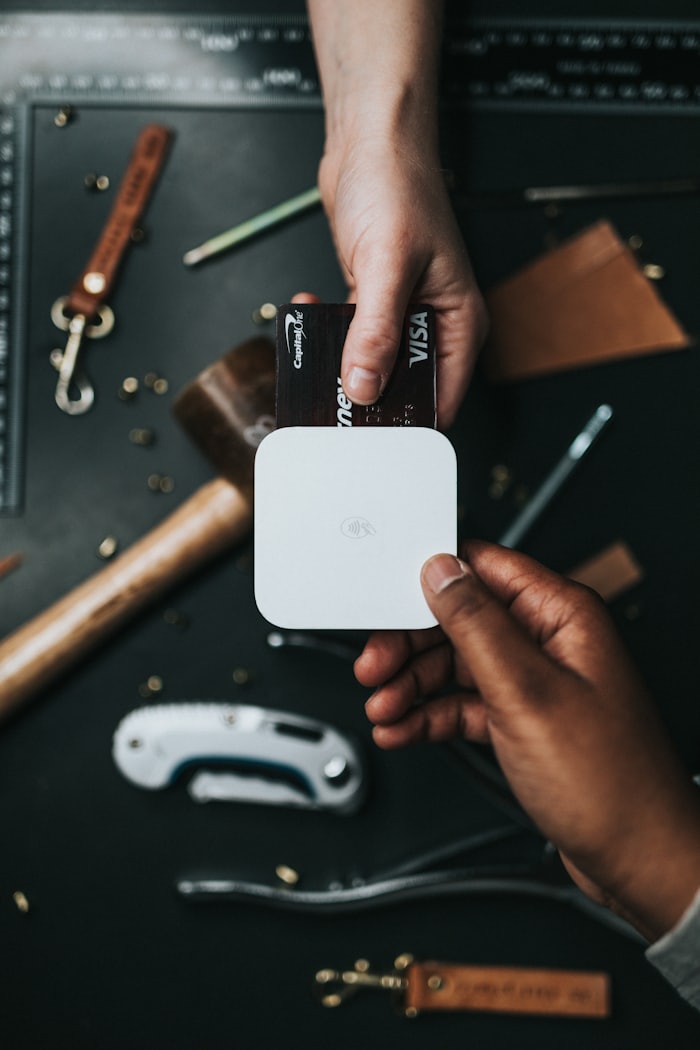
A traveler picks the trip, fills in their details, reaches the payment screen — and disappears. For cross-border travel, the payment step is where conversion quietly leaks.
Where you lose the sale
Acquisition gets the attention, but the checkout is where intent turns into revenue — or doesn't. A guest who is ready to buy can still be blocked by a payment method that does not fit how they actually pay.
What causes abandonment
- No local payment method. A Brazilian expects PIX; a Colombian expects PSE or Nequi. Card-only checkout leaves them stuck.
- International card declines. Cross-border charges get flagged or hit limits, so a valid card is refused.
- Surprise FX. Being billed in a foreign currency with an unclear rate erodes trust at the worst moment.
- Too many steps. Redirects, manual data entry, and slow confirmations give second thoughts room to grow.
Travelers rarely abandon because they changed their mind. They abandon because the checkout asked them to pay in a way they can't or won't.
How to fix it
- Offer the local methods travelers already trust, shown in their own currency.
- Confirm payments instantly so there is no anxious waiting screen.
- Keep the flow on-page with minimal steps and no surprise redirects.
Key takeaways
- The payment step is the highest-leverage place to lift conversion.
- Local methods + local currency remove the most common blockers.
- Instant confirmation keeps a ready buyer from reconsidering.
What to measure
Track checkout start-to-completion rate by country and by method. If one corridor lags, it is usually a missing local payment option — not your price.